Introduction
Buying a home is an exciting and important milestone in anyone’s life. However, it can also be a stressful process, especially if you encounter unexpected issues or hidden problems with the property after the purchase. That’s where building inspections come into play. In this comprehensive guide, we will walk you through the importance of building inspections and how they can help ensure a stress-free home buying experience. Whether you are a first-time buyer or a seasoned investor, this guide will provide you with valuable insights and tips to make informed decisions. The Co Spec – building inspections in gold coast, offering professional and thorough assessments of properties to identify potential issues related to safety, quality, and compliance, providing clients with valuable insights to make informed decisions about their investments.
Understanding Building Inspections
What are Building Inspections?
Building inspections are thorough examinations of a property’s structural integrity, safety, and overall condition. They are conducted by professional inspectors who assess various aspects of the building, including its foundation, plumbing, electrical systems, roofing, insulation, and more. The purpose of these inspections is to identify any existing issues, potential risks, or areas that may require repairs or maintenance.
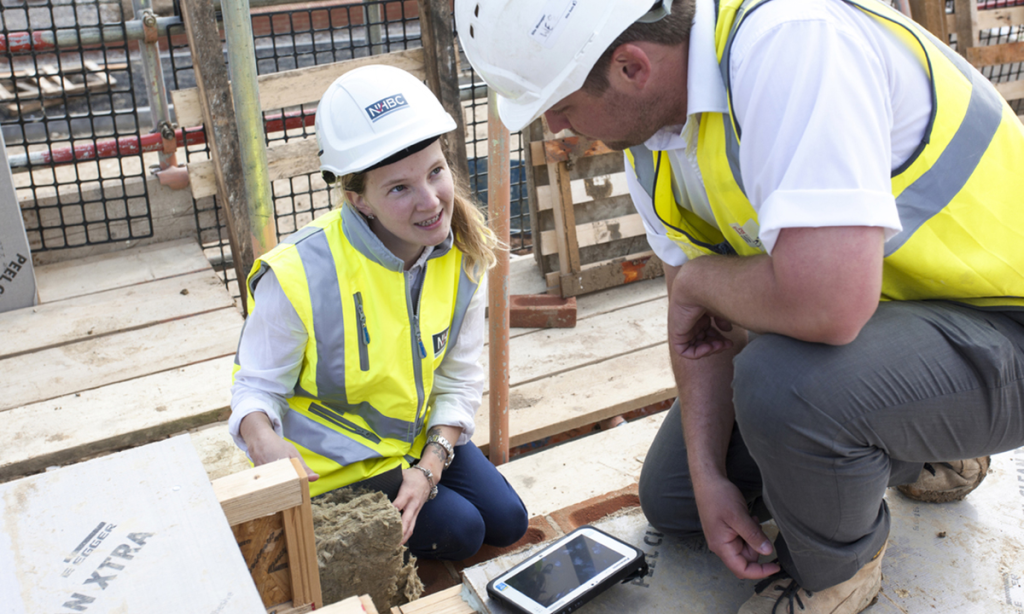
The Importance of Building Inspections
Building inspections play a crucial role in the home buying process for several reasons:
- Detecting Hidden Problems: Even though a property may appear visually appealing, there can be underlying issues that are not immediately noticeable. Building inspections help uncover these hidden problems, allowing you to make an informed decision about the property’s value and potential maintenance costs.
- Ensuring Safety: Safety should be a top priority when purchasing a home. Inspections can identify safety hazards, such as faulty electrical wiring, weak foundations, or structural issues that could pose risks to the occupants. By addressing these concerns, you can ensure the well-being of your family and loved ones.
- Negotiating Power: If the inspection reveals significant issues with the property, you can use this information to negotiate with the seller. Depending on the severity of the problems, you may be able to request repairs, a price reduction, or even withdraw from the purchase agreement.
- Long-Term Cost Savings: Investing in a building inspection upfront can save you from unexpected financial burdens in the future. By identifying potential maintenance or repair issues early on, you can budget accordingly and avoid costly surprises down the line.
The Building Inspection Process
Hiring a Qualified Inspector
When it comes to building inspections, it’s crucial to hire a qualified and experienced inspector. Look for professionals who are licensed, insured, and have a solid reputation in the industry. Ask for recommendations from friends, family, or your real estate agent, and take the time to research and compare different inspectors in your area. Remember, the quality of the inspection heavily relies on the expertise of the inspector.
Pre-Purchase Inspections
Pre-purchase inspections are typically carried out before finalizing the purchase of a property. The inspector will thoroughly evaluate the building’s condition and provide you with a detailed report outlining any issues discovered during the inspection. This report will help you make an informed decision about the property and decide whether to proceed with the purchase or negotiate repairs.
Areas Covered in a Building Inspection
A comprehensive building inspection should cover various aspects of the property. Here are some key areas that inspectors typically assess:
- Structural Integrity: Inspectors evaluate the foundation, walls, and overall structural stability of the building.
- Roof and Gutters: The condition of the roof, including any signs of leaks or damage, as well as the functionality of gutters and downspouts.
- Plumbing System: Inspecting the plumbing system for leaks, water pressure, and proper drainage.
- Electrical Systems: Assessing the electrical wiring, circuit breakers, and overall safety of the electrical systems.
- Heating, Ventilation, and Air Conditioning (HVAC): Evaluating the functionality and efficiency of the HVAC systems, including heating, cooling, and ventilation.
- Insulation and Ventilation: Checking the insulation levels and ventilation in the attic, walls, and crawl spaces.
- Pest and Termite Infestation: Identifying any signs of pest or termite infestation that could cause damage to the property.
- Safety Features: Verifying the presence and functionality of smoke detectors, carbon monoxide detectors, and fire extinguishers.
- Exterior and Interior Elements: Examining the condition of doors, windows, flooring, walls, and other visible elements.
Final Thoughts
Investing in a building inspection is an essential step to ensure a stress-free home buying experience. By hiring a qualified inspector, you can gain valuable insights into the property’s condition, identify potential issues, and make informed decisions. Remember, a comprehensive inspection report arms you with the necessary information to negotiate repairs, budget for maintenance costs, and ultimately enjoy your new home with peace of mind.
