Online gaming, once solely associated with entertainment, has evolved into a powerful tool for shaping technological literacy in individuals of all ages. As digital landscapes become increasingly complex, the skills and knowledge gained from online gaming are playing a pivotal role in fostering technological literacy. The captivating graphics and immersive gameplay on fun888 เข้าระบบ enhance the overall experience. This article explores how online gaming contributes to the development of technological literacy and empowers individuals to navigate the digital world with confidence.
Interactive Learning Environments
Online games provide interactive learning environments where players engage with intricate systems, interfaces, and mechanics. From navigating complex user interfaces to understanding in-game tutorials, players develop skills that are directly transferable to real-world digital platforms and applications.
Problem-Solving and Critical Thinking
Many online games require players to solve puzzles, strategize, and make quick decisions. These challenges foster critical thinking and problem-solving skills, encouraging players to analyze situations, consider multiple options, and make informed choices—a crucial aspect of technological literacy.
Exposure to Digital Tools
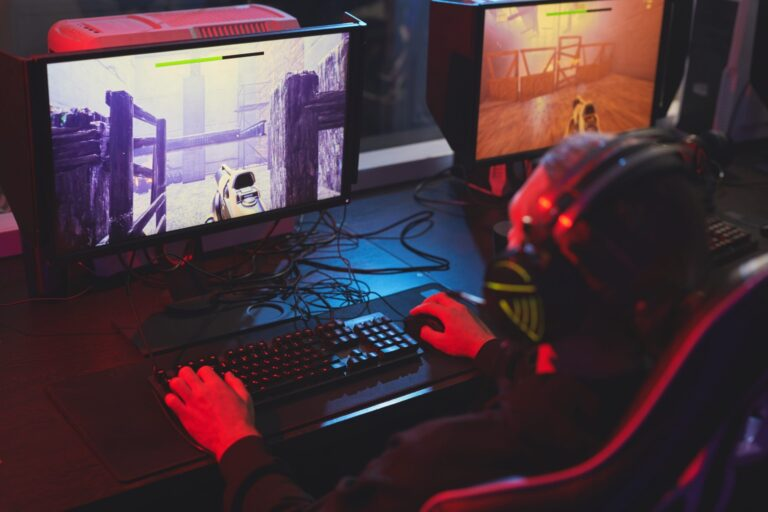
Online gaming exposes players to a wide range of digital tools and interfaces. Players interact with inventory systems, character customization, map navigation, and in-game communication tools. This exposure familiarizes them with various user interfaces, enhancing their ability to adapt to new technologies.
Adaptability to New Technologies
The rapid evolution of online games introduces new features, mechanics, and interfaces. Players must quickly adapt to these changes to stay competitive. This adaptability mirrors real-world scenarios where individuals need to embrace and master emerging technologies.
Collaboration and Teamwork
Online games often require teamwork and collaboration among players to achieve objectives. Communication tools, strategy planning, and shared goals cultivate collaboration skills that translate to effective use of digital communication and collaboration tools in professional settings.
Digital Literacy and Information Management
Online games involve managing digital information, from quest logs to inventories. Players develop skills in organizing, categorizing, and retrieving information—a vital aspect of digital literacy necessary for efficient use of modern technologies.
Exploration of Virtual Environments
Online games offer expansive virtual worlds for players to explore. Navigating these environments requires spatial awareness and map-reading skills, skills that are relevant in using GPS and location-based technologies in the real world.
Coding and Modding Communities
Some online games offer platforms for player-created content, fostering coding and modding communities. Players develop basic coding skills as they modify game elements, creating a foundation for understanding programming languages and concepts.
Internet Etiquette and Cybersecurity
Engaging with other players in online games teaches internet etiquette and cybersecurity. Players learn the importance of responsible communication, privacy protection, and recognizing potential online threats.
Digital Creativity and Content Creation
Online games with customizable features enable players to express their creativity through character customization, building structures, or creating virtual art. This fosters digital creativity and introduces players to tools used in graphic design and multimedia production.
Lifelong Learning and Continuous Adaptation
Online gaming instills a mindset of lifelong learning and adaptation. Players continuously acquire new skills, adapt to game updates, and seek out resources to enhance their performance—a mindset essential for staying technologically literate in a rapidly changing digital landscape.
Conclusion: Empowering Tech-Savvy Individuals
The role of online gaming in shaping technological literacy is undeniable. Through interactive learning environments, problem-solving challenges, exposure to digital tools, and collaboration opportunities, online gaming equips individuals with the skills needed to thrive in a technology-driven world. As individuals of all ages engage in online gaming, they cultivate a holistic set of digital skills that empower them to navigate the complexities of modern technology, contribute to digital innovation, and confidently embrace the digital era.
