Working at height is a common practice in many industries, such as construction, maintenance, and telecommunications. It involves performing tasks at elevated levels, which can range from a few meters to several stories high. While working at height presents various opportunities, it also poses significant risks that must be effectively managed to ensure the safety and well-being of workers. This article will explore the importance of proper planning and safe practices when working at height, as well as the potential hazards and control measures that should be implemented.
Accidents and injuries resulting from working at height can have devastating consequences, both for the workers involved and for the organizations they work for. Falls from height are one of the leading causes of fatal injuries in workplaces worldwide. It is therefore crucial for employers to have robust safety policies and procedures in place to prevent such accidents. This article will highlight the key considerations that employers and workers should take into account when working at height, including the use of appropriate equipment, regular risk assessments, adequate training, and effective supervision. By following these guidelines, organizations can create a safer work environment and minimize the risks associated with working at height.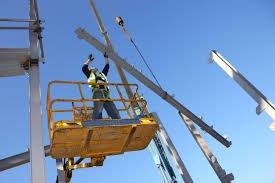
The Three Simple Rules to Follow When Working at Height
Working at height can be dangerous and requires proper safety precautions to be followed. There are three simple rules that should always be kept in mind to ensure safety when working at height. These rules are designed to minimize the risk of falls and accidents, and they are applicable in all work environments where employees are required to work at height.
Firstly, it is important to ensure that the work area is properly assessed and planned. This includes identifying the potential hazards and risks associated with the task, and implementing appropriate control measures. It is also crucial to select and use the correct equipment for working at height, such as ladders, scaffolds, or platforms. By following these rules and implementing safety measures, the risk of accidents and injuries can be significantly reduced. Visit the source to learn more about these rules and how to stay safe when working at height,
In conclusion, working at height is a high-risk activity that requires careful planning and adherence to safety guidelines. Employers must prioritize the safety and well-being of their workers by implementing robust safety policies, conducting regular risk assessments, providing adequate training, and ensuring effective supervision. By following these measures, organizations can create a safer work environment and minimize the risks associated with working at height. Remember, when working at height, always assess and plan the work area, use the correct equipment, and implement appropriate control measures to reduce the risk of accidents and injuries.
