Thinking about switching your furry friend to a raw dog food diet? You’re not alone. With the rise in popularity of natural and holistic pet care, many pet owners are turning to raw dog food as a way to provide their dogs with a more natural and nutritious diet. But what exactly is raw dog food, and is it the right choice for your pup?
Raw dog food typically consists of raw meat, bones, fruits, and vegetables that are uncooked and unprocessed. Advocates of raw dog food argue that this type of diet more closely resembles what dogs would eat in the wild and can lead to improved digestion, healthier skin and coat, and increased energy levels. However, critics of raw dog food point out that it can be more expensive and time-consuming to prepare than traditional dog food, and there is a risk of bacterial contamination if not handled properly. Before making the switch to raw dog food, it’s important to do your research and consult with your veterinarian to determine if it’s the right choice for your furry companion.
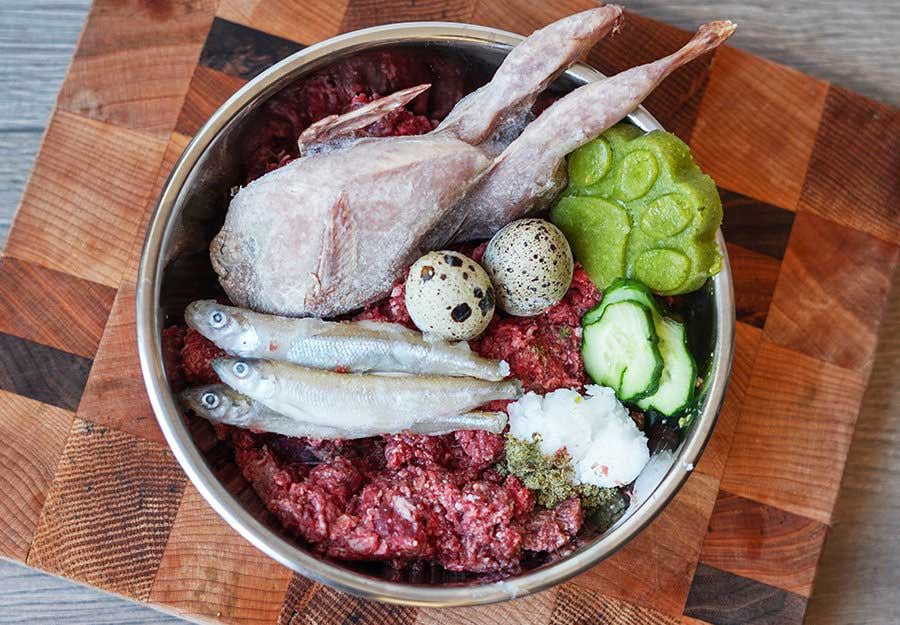
Is raw dog food the right choice for your pup?
Raw dog food, consisting of uncooked meat, bones, fruits, and vegetables, has gained popularity among pet owners seeking a more natural diet for their furry friends. Advocates believe that this diet closely resembles what dogs would eat in the wild, leading to various health benefits such as improved digestion and energy levels. However, it is essential to consider the potential risks associated with raw dog food, including bacterial contamination if not handled properly. Before transitioning your pup to a raw dog food diet, consult with your veterinarian to determine if it is the best choice for your pet’s specific needs.
Considerations before making the switch
Before diving into the world of raw dog food, it is crucial to do thorough research and understand both the benefits and drawbacks of this diet. While raw dog food proponents highlight its potential health advantages, such as healthier skin and coat, critics raise concerns about the cost and preparation time involved. Additionally, ensuring proper handling and storage of raw ingredients is paramount to avoid any health risks. Therefore, before deciding to transition your furry companion to a raw dog food diet, take the time to weigh all factors and consult with professionals to make an informed decision for your pet’s well-being.
Ultimately, the decision to switch your pup to a raw dog food diet should be based on careful consideration of all factors involved. While this type of diet may offer potential benefits in terms of improved digestion and energy levels, it is important to be aware of the risks associated with bacterial contamination and the added time and cost required for preparation. Consulting with your veterinarian can help guide you in making the best choice for your furry friend’s health and well-being. Raw dog food can be a good option for some dogs, but it’s essential to weigh all considerations before making the switch.
