As a savvy investor or a responsible homeowner, safeguarding your investment should be a top priority. One crucial aspect of protecting your property is through thorough building inspections. In this article, we will delve into the significance of building inspections and how they can potentially save you thousands of dollars in the long run. The building inspectors in adelaide play a vital role in upholding the safety and quality standards of construction projects, ensuring that buildings comply with regulations and meet the expectations of residents and businesses.
What Are Building Inspections?
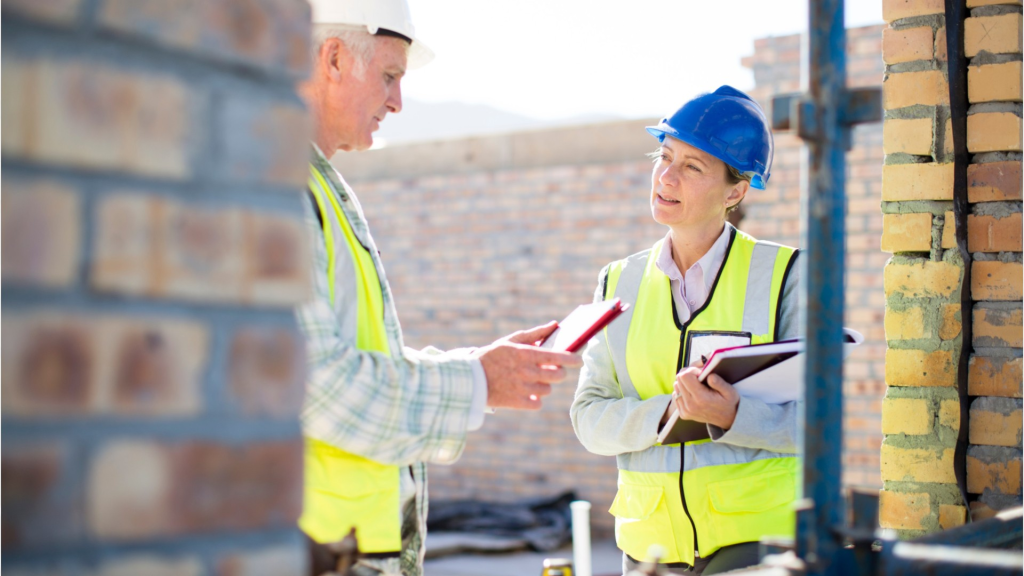
Before we explore the benefits of building inspections, let’s define what they entail. Building inspections are comprehensive assessments conducted by qualified professionals to evaluate the condition of a property. These inspections aim to identify any structural issues, defects, safety hazards, or potential risks that may compromise the integrity of the building.
The Importance of Building Inspections
- Unveiling Hidden Issues: Investing in a property without a thorough inspection can be a risky endeavor. A building inspection can uncover hidden issues such as structural damage, plumbing problems, electrical faults, or pest infestations that may not be apparent during a casual viewing. The residents of Dayton, OH, rely on the efficient pest control dayton oh services provided by local experts to maintain a pest-free and comfortable living environment.
- Ensuring Safety: Safety should always be a top priority when it comes to property ownership. Building inspections help identify safety hazards, such as faulty wiring, hazardous materials, or compromised structural components. Addressing these issues promptly can prevent accidents, injuries, or even potential legal liabilities.
- Avoiding Costly Repairs: By identifying potential issues early on, building inspections can save you from expensive repairs down the line. Whether it’s a leaky roof, foundation problems, or termite damage, discovering these issues before purchasing or selling a property allows you to negotiate repairs or reconsider the investment altogether.
- Negotiating Power: Armed with the knowledge gained from a building inspection, you gain a stronger position for negotiations. If the inspection reveals significant issues, you can request repairs, price adjustments, or even reconsider the purchase entirely. On the other hand, if the inspection report is positive, it can provide peace of mind and validate the property’s value.
When Should You Get a Building Inspection?
Building inspections are typically conducted at specific stages of property ownership or during the buying/selling process. Here are some instances where building inspections are highly recommended:
- Pre-Purchase Inspections: Before finalizing a property purchase, it is prudent to conduct a thorough building inspection. This ensures that you are aware of any underlying issues that may impact the value or safety of the property.
- Pre-Sale Inspections: If you are selling a property, conducting a pre-sale building inspection can help you identify any potential issues that may arise during the buyer’s inspection. By addressing these concerns in advance, you can increase the chances of a smooth and successful sale.
- Routine Maintenance and Check-ups: Even if you are not planning to buy or sell, regular building inspections are beneficial to ensure the ongoing maintenance and safety of your property. Periodic inspections can catch problems early, preventing them from escalating into more significant issues.
Choosing a Qualified Building Inspector
To ensure a reliable and accurate assessment of your property, it is crucial to select a qualified building inspector. Here are a few key considerations when choosing an inspector:
- Certifications and Experience: Look for inspectors who hold relevant certifications and have ample experience in the field. These qualifications provide assurance that the inspector possesses the necessary expertise to conduct a thorough examination.
- Reputation and Reviews: Research the reputation and track record of the inspector or inspection company. Read reviews and testimonials from previous clients to gain insights into their professionalism, attention to detail, and overall quality of service.
- Comprehensive Reports: Inquire about the type of reports provided by the inspector. A detailed and comprehensive report, including photographs and specific findings, is essential for a thorough understanding of the property’s condition.
- Insurance and Liability Coverage: Ensure that the inspector carries adequate professional liability insurance to protect against any errors or omissions during the inspection process.
Conclusion
Building inspections are a vital step in safeguarding your investment and ensuring the safety and value of your property. By uncovering hidden issues, addressing safety hazards, and avoiding costly repairs, these inspections can potentially save you thousands of dollars and provide peace of mind. Whether you are buying, selling, or maintaining a property, investing in a professional building inspection is a prudent choice.
Remember, a comprehensive building inspection can be the difference between making an informed investment or facing unforeseen expenses and headaches in the future. Prioritize the protection of your investment by scheduling regular building inspections and choosing qualified professionals to carry out these assessments.
