Concreting is a fundamental component of any construction project, providing the solid foundation upon which buildings and structures are built. It involves the mixing of cement, water, and aggregate to create a strong and durable material that can be molded into various shapes and forms. From foundations and walls to sidewalks and driveways, concreting plays a crucial role in the development of infrastructure.
With advancements in technology and techniques, concreting has become more efficient and cost-effective than ever before. Contractors now have access to a wide range of specialized equipment and materials that allow them to pour, level, and finish concrete with precision and accuracy. In this article, we will delve deeper into the world of concreting, exploring different methods, tools, and best practices for achieving optimal results in construction projects.
The Evolution of Concreting Techniques
Over the years, concreting techniques have evolved significantly, leading to the development of innovative methods that enhance the quality and efficiency of construction projects. One such advancement is the introduction of self-compacting concrete, which eliminates the need for vibration during the pouring process, saving time and labor costs. Additionally, the use of precast concrete panels has revolutionized the construction industry by allowing for quicker installation and reduced on-site labor requirements. These advancements, coupled with the expertise of skilled professionals from www.centralcoastconcreters.com.au, have propelled concreting into a new era of sustainability and durability.
Tools and Equipment for Precise Concrete Finishing
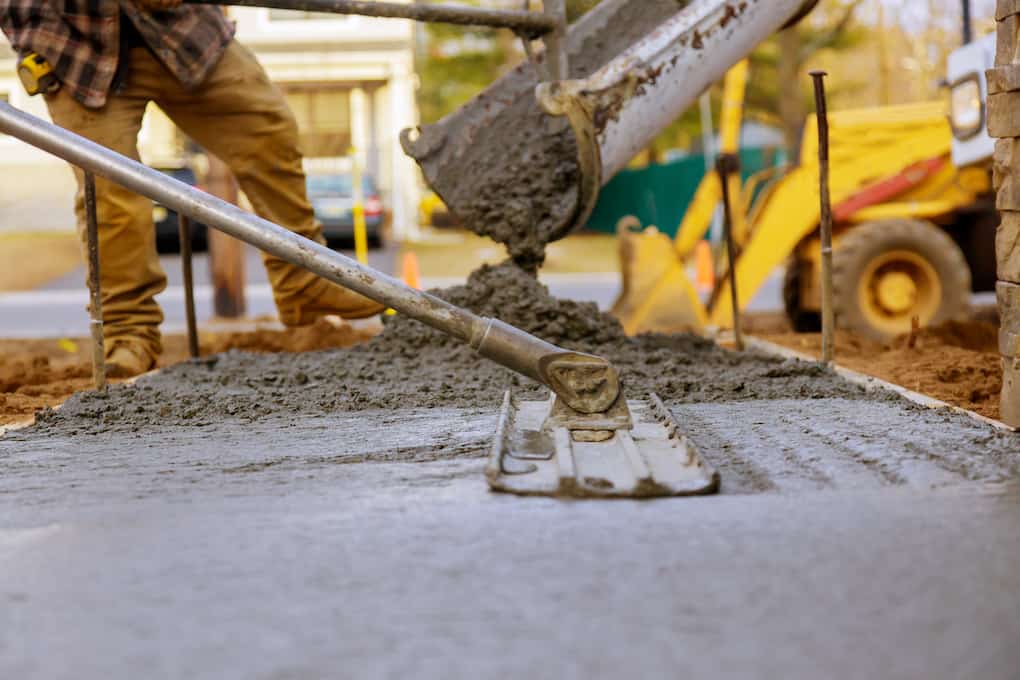
Successful concreting projects rely heavily on the use of specialized tools and equipment that ensure precise leveling and finishing of concrete surfaces. From laser-guided screeds to power trowels, contractors have access to a wide range of modern machinery that streamlines the pouring and smoothing process. The team at www.centralcoastconcreters.com.au utilizes state-of-the-art equipment to achieve flawless results in every project, whether it’s a small residential driveway or a large commercial foundation. By staying up-to-date with the latest tools and techniques, concreting professionals can deliver high-quality outcomes that meet the needs of modern construction projects.
In conclusion, concreting continues to play a vital role in the construction industry, providing the necessary foundation for buildings, roads, and infrastructure projects. With advancements in technology and techniques, such as self-compacting concrete and precast panels, the process has become more efficient and cost-effective. By utilizing specialized tools and equipment for precise finishing, contractors can achieve flawless results in every project. As we look towards the future, it is clear that concreting will remain a cornerstone of construction projects, ensuring strength, durability, and sustainability in all structures.
